A continuous supply of safe water is foundational for every municipality to protect public health, safety, and community confidence. However, natural disasters, aging infrastructure, and climate unpredictability can make water security more vulnerable than ever. For example, after Hurricane Harvey in 2017, flooding and main breaks caused week-long water outages in several Texas cities. This event showed the clear need for reliable backup solutions. Today, municipalities must proactively plan for water disruptions.
This article looks at how emergency water tanks can strengthen a municipality’s ability to handle disasters. It includes real examples, costs, and recommendations for making sure your community is prepared, whether you serve a small rural town or a big city.
1. Why You Need Emergency Water Storage
A proactive emergency water strategy shifts municipalities from reactive to proactive. Having an independent water reserve secured can support better disaster response, cover infrastructure gaps, and meet regulatory compliance if necessary.
Disaster Preparedness: Real World Lessons
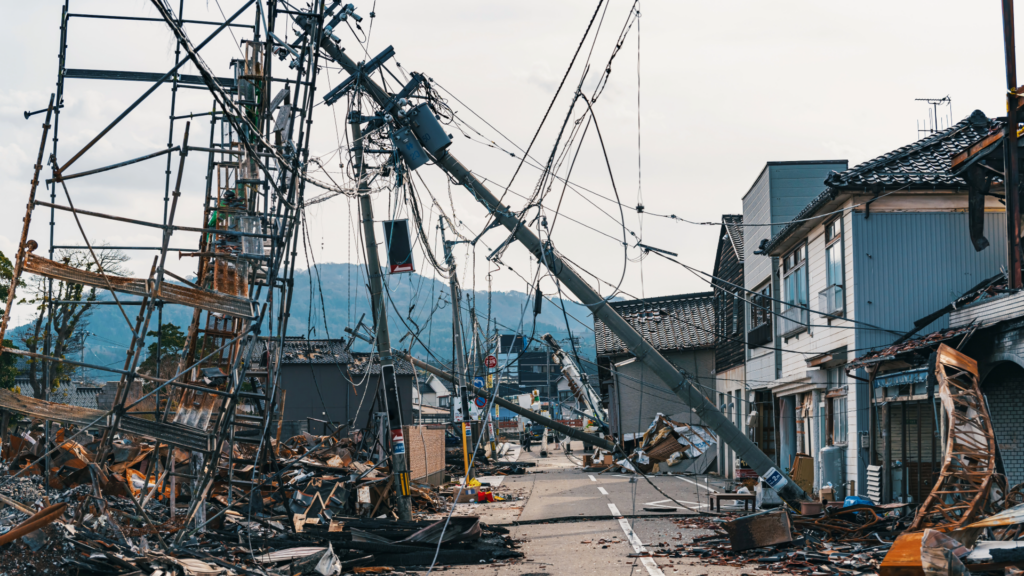
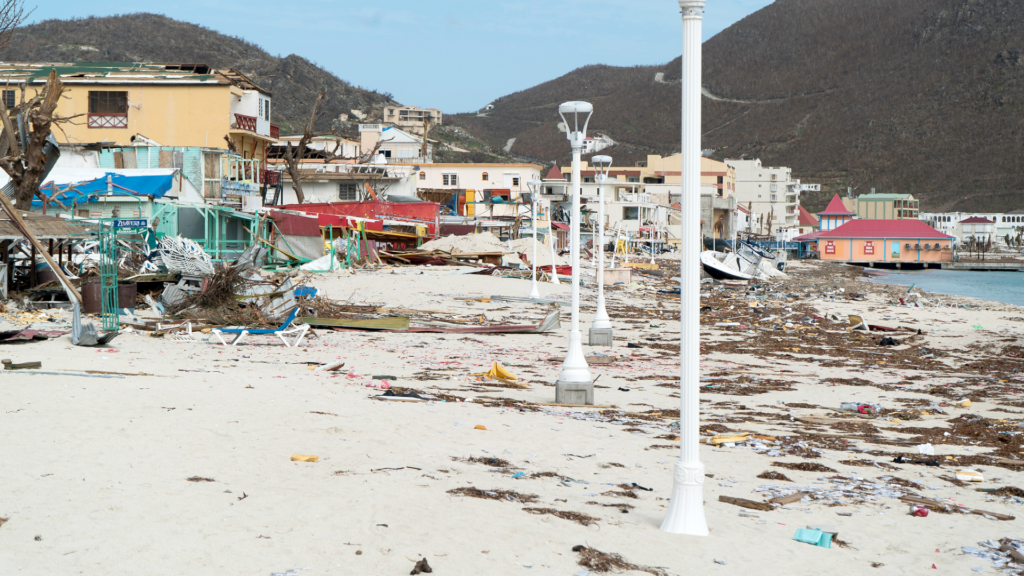
Natural disasters often damage municipal water systems. After the 2011 Tōhoku earthquake in Japan, widespread pipe breaks cut off water to over 1.5 million households. And after Hurricane Maria in 2017, Puerto Rico’s central water system failed, which forced FEMA to distribute emergency water from both local tanks and shipments. Municipalities that had decentralized, protected water reserves—such as isolated tank sites at hospitals and emergency centers—were able to serve residents and first responders and reduce their need for outside help.
Aging Infrastructure Problems
A 2021 EPA report estimated that U.S. water systems lose over 15% of treated water to main breaks and leaks. In cities with older systems, like Flint, Michigan, and Jackson, Mississippi, residents faced multi-day water shutoffs when infrastructure failed. Municipalities that invested in dedicated emergency tanks have reported shortened boil-advisory days and saved thousands in water hauling costs during repairs.
Meet Regulatory Requirements
Compliance isn’t optional. NSF/ANSI 61 and AWWA standards govern potable water storage. As a legal example, New York’s Department of Health requires municipalities to keep at least a three-day water supply for critical facilities, such as hospitals. Failure to comply risks legal penalties and causes major issues for public trust. Compliance, on the other hand, safeguards both health and liability.
2. Types of Emergency Water Tanks
Selecting the right municipal emergency water tank will depend on future growth projections, available space, weather, and the urban or rural location in which it’ll be installed.
Above Ground Tanks
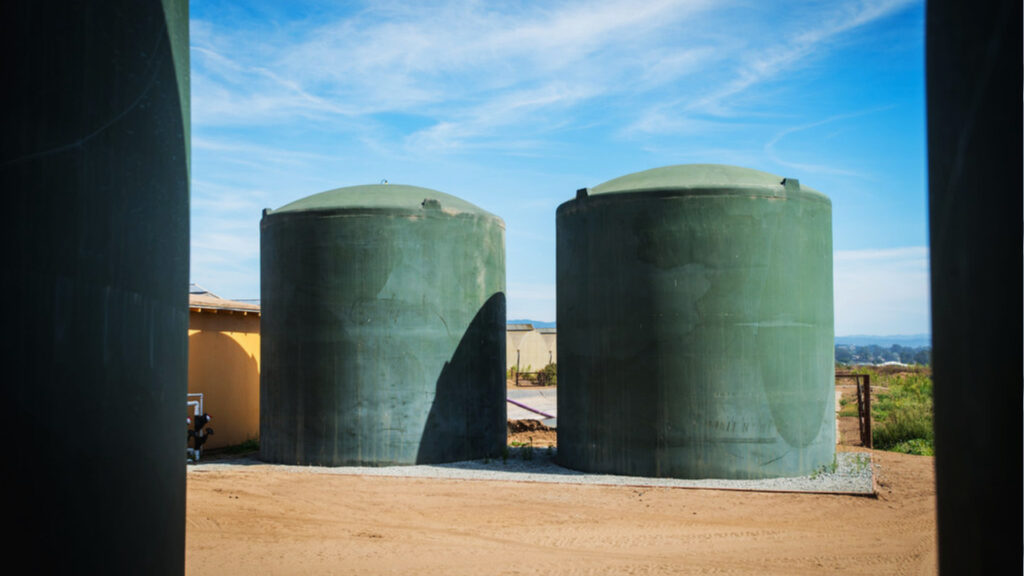
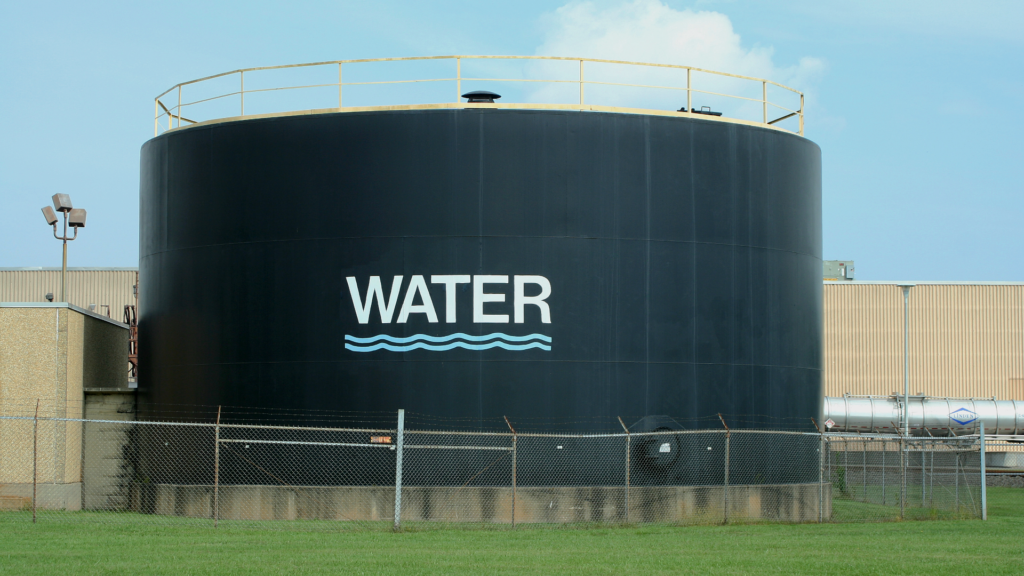
Above ground options are easy to install and easy to access for inspection. During New York City’s 2003 blackout, fire stations with above ground tanks avoided service interruptions even when pumping stations shut down. They are great for small towns or rural areas and offer a visible and affordable way to boost community preparedness.
Underground Tanks
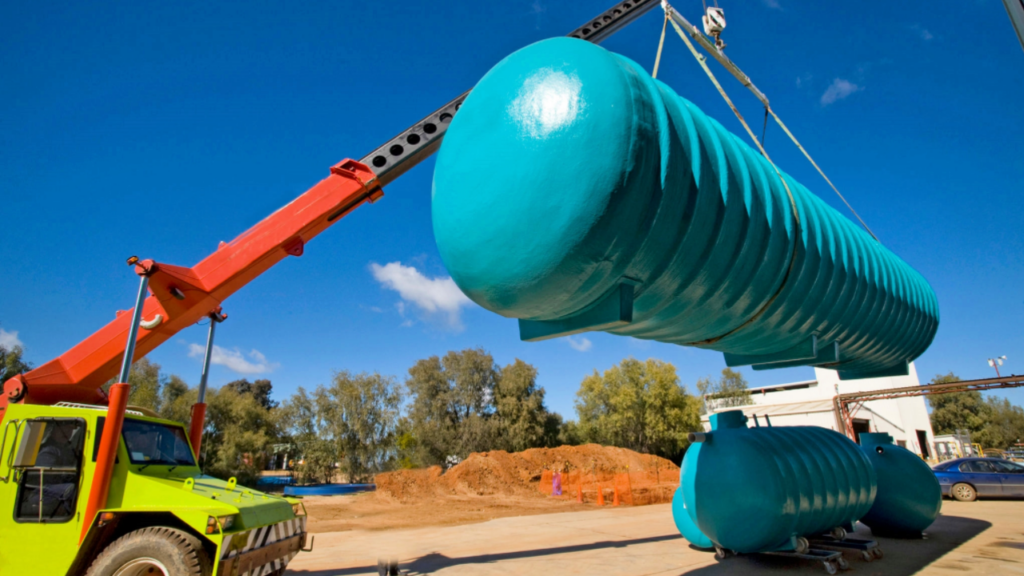
Underground tanks work well in dense urban areas or regions with extreme weather. After the 2018 California wildfires, several towns discovered above ground tanks had melted, but underground ones stayed intact and reliable for emergency response. Urban developers also favor below grade installation because they can conserve space for other public uses such as parks and green space.
Modular Tanks
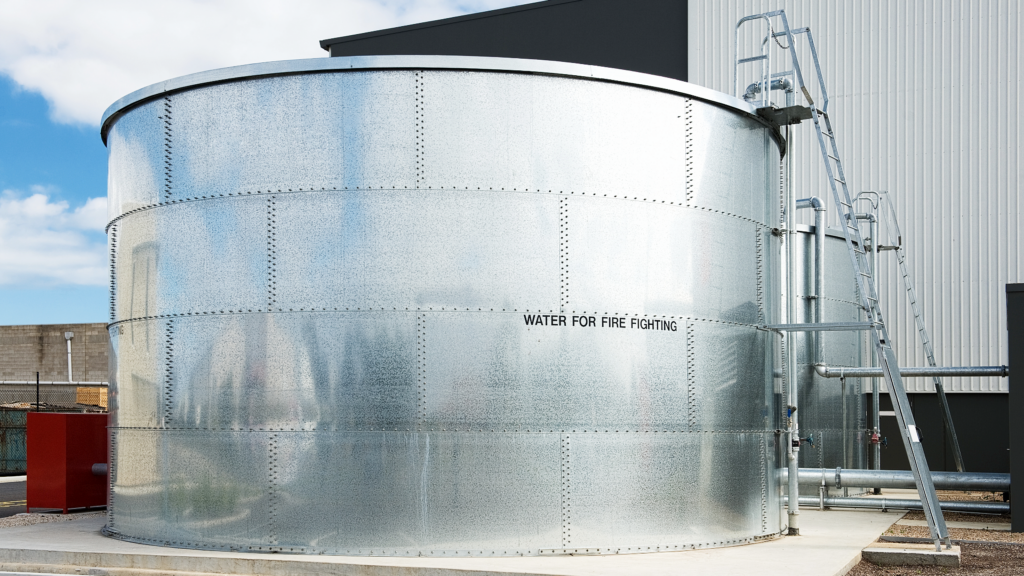
Modular tanks, such as panel constructed steel models, can be quickly scaled up or down. After the 2011 Christchurch earthquake in New Zealand, modular tanks provided rapid access to emergency water. Small towns can use compact setups, while cities can build massive million gallon reserves.

| Tank Type | Best For |
| Above Ground | Quick install, cost, access |
| Underground | Security, urban, high risk locations |
| Modular | Flexible, scalable needs |
3. Key Features, Costs, and Maintenance of Emergency Water Tanks
Durability and Material Comparison
| Material | Durability | Corrosion Resistance | Maintenance Frequency | Use Case Example |
| HDPE | 15-30 yrs | Excellent | Annual inspections | Rural wells, small municipalities |
| Fiberglass | 25+ yrs | Excellent | Low; occasional cleaning | Above ground municipal tanks |
| Steel | 30-50 yrs | High | Low; periodic check/removal | Hospitals and other critical facility reserves |
When choosing between the different options for emergency water storage, municipalities should balance up-front costs with total lifecycle value. For example, HDPE tanks are affordable ($2–$3/gallon), but steel, while pricier ($4–$7/gallon), offers decades of low maintenance service and higher total storage capacity.
Cost-Benefit Analysis
A 100,000 gallon emergency tank, broken down by material and options:
- HDPE tanks: Multiple smaller tanks are used to achieve 100,000 gallons (such as ten 10,000 gallon tanks or twenty 5,000 gallon tanks), costs may range from $100,000 to $150,000 in total. This approach allows for flexible placement and phased upgrades.
- Galvanized steel HDPE lined tank: $68,000+ for a single 100,000 gallon unit.
- Stainless steel: $500,000+ for a single 100,000 gallon tank.
- Annual maintenance: ~$1,000 to $2,000 (cleaning, inspections)
- Emergency deliveries for same volume: $20,000 to $40,000+ per incident
- Potential savings: After only a couple incidents, the cost of a permanent tank can be offset by what would have been spent on emergency shipments and can also reduce indirect costs caused by boil-water advisories, lost business, or regulatory penalties.
*Costs are estimates and approximates of real world expectations minus installation or customization.
Maintenance Requirements
Tanks require or may require:
- Regular inspections: Quarterly visual checks, annual internal reviews
- Disinfection: As per AWWA C652 standard; annual for potable tanks
- Valve/gasket replacements: As needed (typically every 5–10 years)
- Monitoring equipment: Automated level and leak detection systems to meet compliance and minimize labor
Safety and Compliance
All tanks used for drinking water must be NSF/ANSI 61 certified. Secondary containment is often required in urban areas to prevent liability concerns from damages that could occur from thousands of gallons of water being released.

4. Benefits of Emergency Water Tanks for Municipalities
Small Towns & Rural Areas
- Reliability on a Budget: Above ground and modular tank options suit limited funding and lower capacity needs for small towns and rural areas.
- Community Awareness: Visible tanks double as public outreach tools, and signage can educate residents about local water preparedness.
Large Cities & Urban Centers
- Advanced Systems: Higher budgets and larger service areas favor bolted steel, fiberglass, or underground tanks with more sophisticated controls.
- Protecting Critical Facilities: As examples, New York, Los Angeles, and Houston maintain water reserves at hospitals, schools, and emergency shelters.
All Municipalities
- Continuity: Ensure rapid access to clean water for public consumption during disasters.
- Firefighting: High capacity, multiple emergency tanks can provide water for fire suppression when mains failed.
- Regulatory Compliance: Be prepared for evaluations by state and federal agencies.
Community Engagement Strategies
Building trust benefits from transparency and participation. Some options to improve trust and awareness include:
- Public Awareness Campaigns: Use local media and social channels to share tank locations, preparedness plans, and their benefits.
- Community Training: Offer emergency water flyers to familiarize residents and staff.
- Stakeholder Involvement: Include local leaders, schools, and businesses in emergency planning.
5. Choosing the Right Emergency Water Tank
Tailored Capacity Planning
Small and rural communities may start with several 5,000 to 10,000 gallon tanks, either HDPE tanks or steel tanks. Towns and cities can start with multiple high capacity galvanized steel tanks to stockpile hundreds of thousands of gallons. Large metropolitan systems may require multi-million gallon underground systems. Use FEMA guidance: plan for at least 1 gallon/person/day for drinking and sanitation over 3–7 days.

Location and Site Evaluation
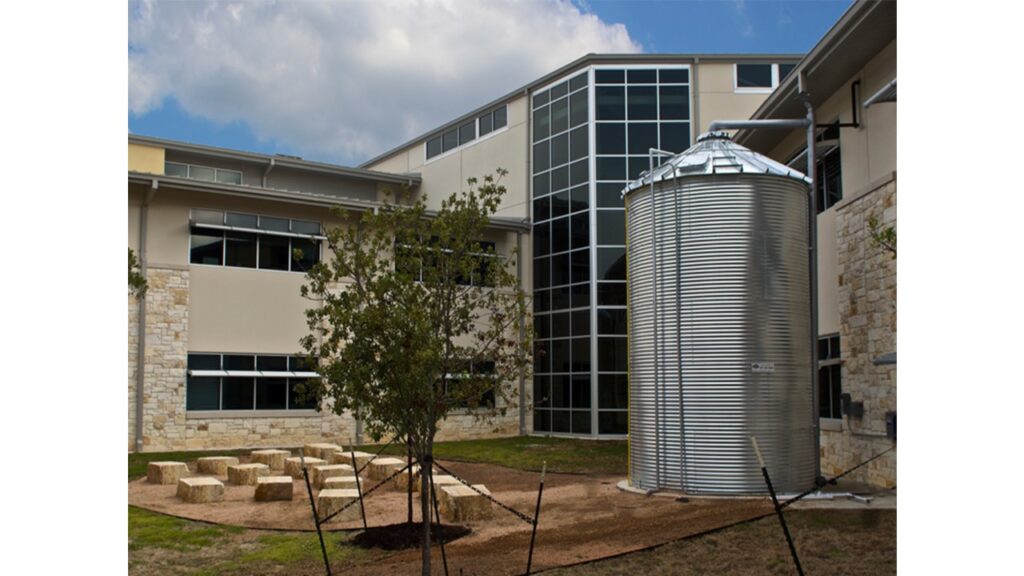
- Small/Rural: Maximize accessibility and visibility such as at community centers, fire stations, or near water towers.
- Large/Urban: Assess land value, ease of including into existing infrastructure, and urban hazards such as vandalism and flooding risks
Strengthen Communities Through Emergency Preparedness
Disasters and disruptions are inevitable, but preventable suffering is not. By investing in the right emergency water storage—not just “any” tank—municipalities can position themselves as proactive providers of their community’s health and safety. Historical events, real world results, and cost-benefit analysis all point to the same conclusion: emergency water tanks deliver resilience, efficiency, and public trust.
Want a custom assessment for your municipal project?
Contact the National Tank Outlet today for a free consultation—our tank specialists can help evaluate your needs, recommend the best solutions, and get your community disaster ready.
