In the world of commercial operations and businesses, high quality, reliable water is a central player, keeping workflows and amenities running while most people never notice. Behind every steady tap, full feature, and seamless work cycle is a silent workhorse: the storage tank. Whether you manage a manufacturing plant, industrial facility, hotel, or a high… [Read More]
Water Treatment
Choosing the Right Chemical Storage Tanks for Wastewater Treatment
Managing municipal wastewater isn’t just about meeting regulations—it’s about ensuring the long-term safety, efficiency, and sustainability of your community’s infrastructure. For engineers and project managers, the decision to invest in the right storage tank carries significant weight. The wrong choice can trigger a trip-line effect of costly failures, environmental risks, and operational downtime—issues no one… [Read More]
Double Wall Tanks for Municipal Water Safety
Protecting municipal water infrastructure—and the communities it serves—sometimes requires more than traditional tank solutions. From treatment facilities to distribution networks, every component must be robust and reliable. Municipalities face greater regulatory scrutiny and require environmental safeguards to prevent leaks and releases, often through the use of secondary containment measures. Chemical storage, in particular, introduces significant… [Read More]
Top Water Storage Tanks for Municipal Applications
Selecting the right water storage tank is a pivotal decision for municipal systems and water management. Municipal water systems must balance high capacity demands, various applications, and strict regulations while ensuring the value of long term infrastructure. The type of tank chosen—whether for daily potable water, emergency reserves, or chemical storage—can affect not only system… [Read More]
What to Do When You Can’t Drink the Water
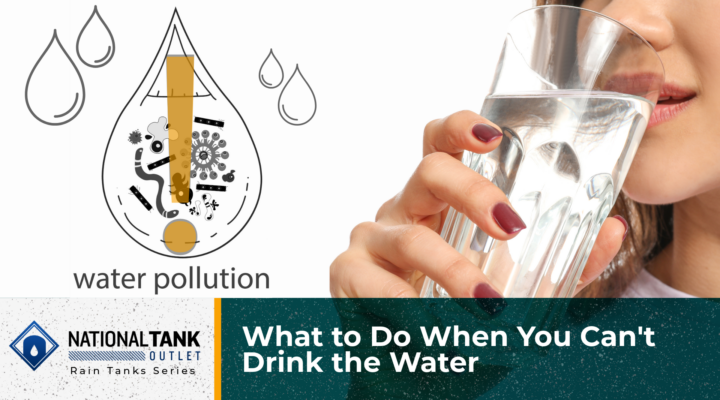
How to Handle Water Contamination: Survival Tips and Strategies Water is essential for daily life — whether it’s for drinking, cooking, or cleaning. But what happens when it’s suddenly unsafe to use? Across the United States, incidents of water contamination are becoming more frequent. It seems to happen occasionally where residents face warnings about their… [Read More]
Poly Tanks | How to Clean a Water Storage Tank
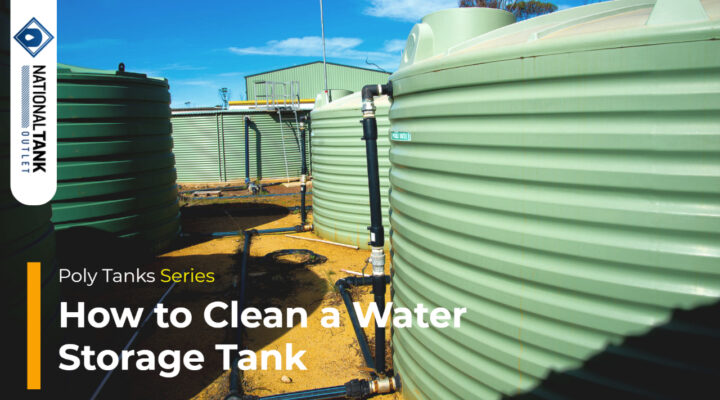
Proper, regular maintenance is an important part in caring for and maximizing the service life of any piece of equipment. Water storage tanks are no exclusion from this fundamental concept, especially those intended for potable, drinking water scenarios. In this Poly Tank Series post, we will explore the details of cleaning water storage tanks and… [Read More]
Rain Tanks | How to Turn Rainwater into Drinking Water
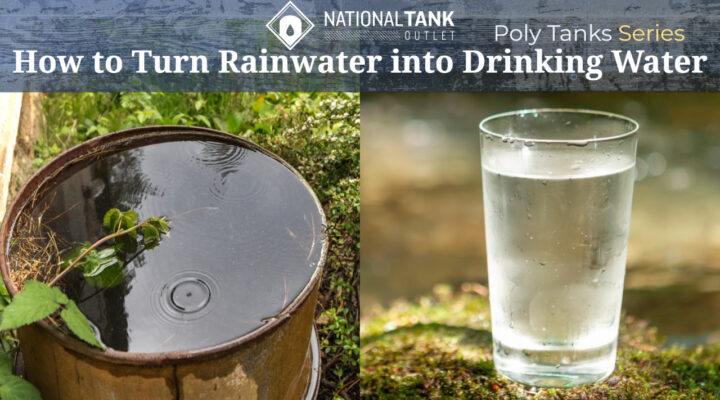
There are several methods available to turn rainwater into potable, drinkable water that is safe to drink. By definition, potable water is water that is safe for human consumption as well as for use in other potable applications such as cleaning, cooking, and bathing. One of the most common reasons to treat harvested rainwater into… [Read More]