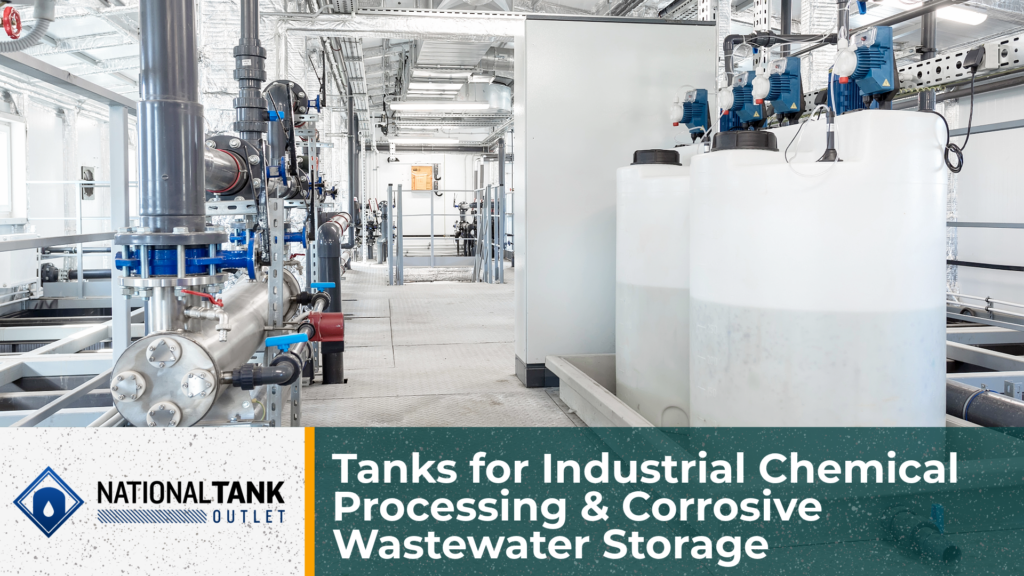
In the complex ecosystem of industrial manufacturing, storage systems are integral parts that hold processes together and keep production lines running. From handling aggressive acids to storing corrosive wastewater or byproducts, the quality of your chemical storage tanks directly affects safety, work efficiency, and company compliance. With rising demands for sustainable and reliable infrastructure, the need for robust, well-rounded storage solutions has never been higher—in many cases, gone are the days when an outdated system or some makeshift setup could suffice.
High Density Polyethylene (HDPE) tanks, often known simply as poly tanks, have earned their place as a frontline choice to meet these modern industry demands. Naturally resilient, HDPE tanks offer a unique combination of durability, chemical resistance, and relative affordability that traditional materials like steel and fiberglass often struggle to match. From chemical manufacturing and water treatment to pharmaceutical labs and agriculture, poly tanks are providing dependable containment that safeguards both a business’s operations and the environment.
Here we’ll look into the role HDPE tanks play in today’s industrial processing and wastewater management. We’ll examine their benefits, ideal applications, and insights to help you choose the right tank for your facility. As industries shift toward more sustainable and compliant practices, let’s look into how HDPE tanks can fill system gaps and be a smart move to future-proof your operations.
Why Chemical Storage Matters in Industrial Processing
In any industrial operation that handles chemicals, how those chemicals are stored is the foundation of a safe, structured, and compliant facility. Choosing the right containment system can impact everything from daily production to environmental protection. Proper chemical storage will prevent equipment failure and process interruptions, so your facility can maintain steady workflows, avoid costly downtime, and meet production targets. When tanks perform as expected, they serve as the first line of defense against hazardous leaks that could contaminate soil and water in the environment.
The consequences of improper chemical storage can be severe and far reaching. A single tank failure can cause catastrophic leaks, leading to environmental disasters that may incur significant costs in cleanup and fines from agencies like the U.S. EPA.
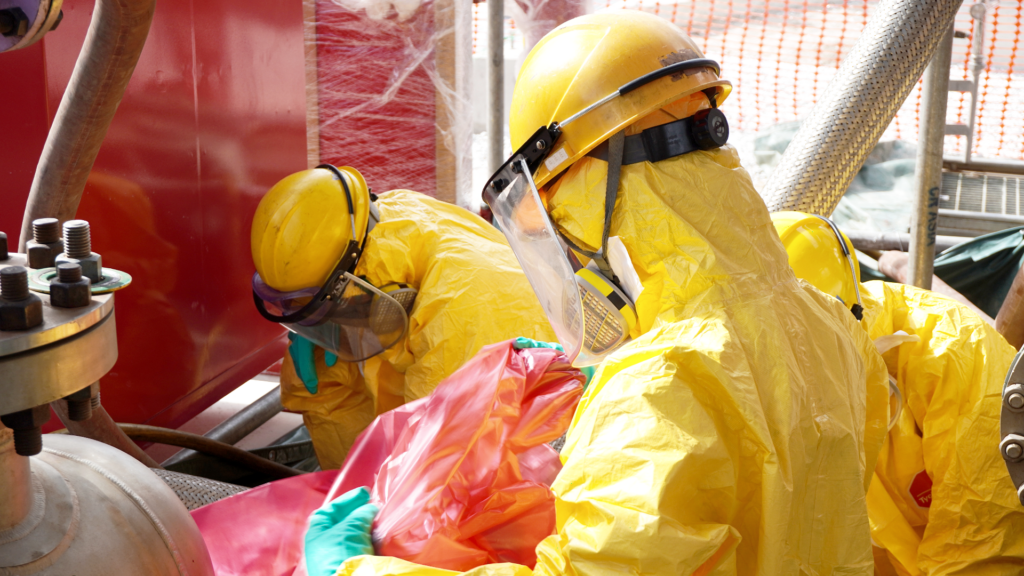
Beyond the financial hit, such incidents can destroy a company’s reputation and halt operations. The risks also extend to working personnel. Inadequate or incompatible storage materials can lead to chemical reactions, spills, or vapor releases that create immediate hazards for workers and compromise site safety. In effect, failing to store chemicals properly is a failure to protect your people, community, and business.
Key Benefits of HDPE Tanks for Industrial Applications
High Density Polyethylene tanks offer an intriguing combination of performance, affordability, and reliability that makes them an ideal choice for many industrial applications. Their inherent properties solve common chemical storage challenges and outperform traditional materials across several characteristics.
Chemical Resistance
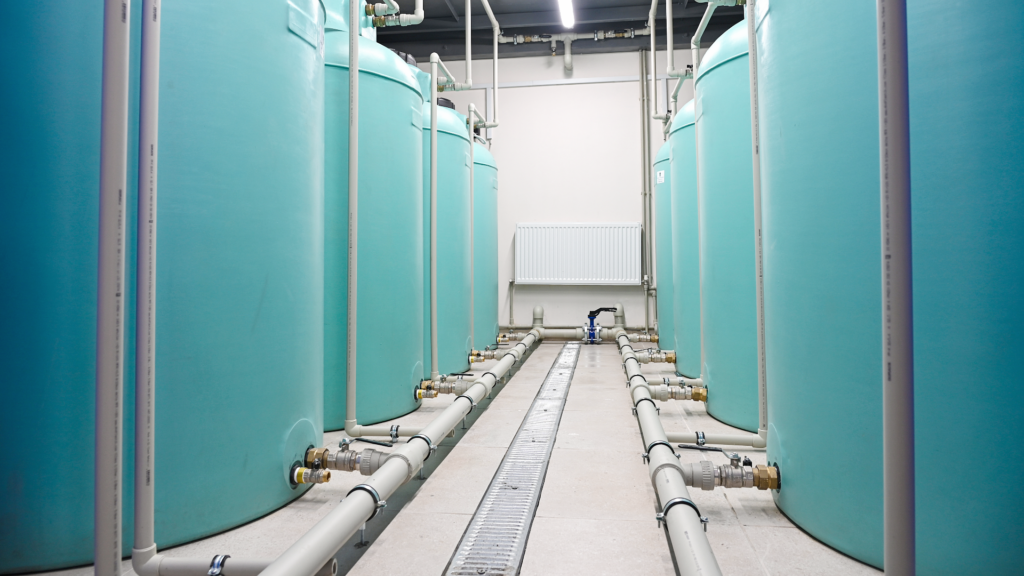
One of the most significant advantages of HDPE for this industry is its overall resistance to a broad range of chemicals. This inert material does not react with many commonly used corrosive substances like acids, alkalis, and solvents, making it a fortress of secure containment for even the most aggressive materials. This property protects the tank from chemical degradation and safeguards the purity of whatever you’re storing—essential for contamination sensitive applications.
Common Industrial & Wastewater Chemicals Compatible with HDPE
- Hydrochloric Acid (up to 37%): Heavily used in the production of vinyl chloride, fertilizers, and dyes, and large scale steel pickling.
- Caustic Soda (Sodium Hydroxide, up to 50%): Reagent used in paper pulping, soap manufacturing, and a primary catalyst in various chemical syntheses.
- Phosphoric Acid: Production of agricultural fertilizers and industrial grade detergents.
- Ethylene Glycol: Feedstock for polyester fibers and antifreeze products.
- Brine (Sodium Chloride Solutions): Chlor-alkali process for chlorine and caustic soda production.
Industrial Wastewater & Process Byproducts
- Spent Acid/Acidic Rinse Water: Diluted acids generated during equipment cleaning or as byproducts from production.
- Alkaline Wastewater: High pH waste streams from neutralization processes or metal cleaning.
- Metal Finishing Waste: Solutions containing Copper Sulfate or Zinc Sulfate common in electroplating and electronics manufacturing.
- Ammonia-Rich Condensate: Frequent byproduct in fertilizer and plastics manufacturing.
- Flocculants and Coagulants (Ferric/Alum): Used in dedicated onsite industrial wastewater systems to separate chemical solids and heavy metals from effluents before discharge.
As with any chemical handling and storage scenario, if uncertainty exists, always verify chemical compatibility before purchase and use. Always cross reference the chemical’s concentration with the tank’s operating temperature as HDPE resistance can decrease if the liquid is heated. Always choose a tank with a specific gravity rating sufficient for the chemical to be stored.
Durability
Industrial environments demand equipment that can withstand harsh, repetitive working conditions. HDPE tanks are built tough with high resistance to impacts, punctures, and abrasions. Many include UV inhibitors, so they can endure prolonged sun exposure without becoming brittle. Even at extreme cold temperatures down to -40°F, HDPE tanks retain their physical strength against impacts. This durability guarantees a long, reliable service life, whether they’re used outdoors or inside a production plant where hard work happens every day.
Affordability
Compared to alternatives like steel or fiberglass tanks, poly tanks offer a significantly lower total cost of ownership. Their economical material and manufacturing processes mean a lower upfront cost for you. Plus, they’re lightweight, which can cut shipping and installation expenses by up to 40%. Prices for HDPE tanks range from $100 up to $67,000+ depending on the model, size, additional features, and customization. With minimal maintenance and a long service life, over years of operation, the savings realized can continue to grow.
Environmental Sustainability
As industries intensify their focus on environmental footprints, High Density Polyethylene provides a sustainable option for industrial infrastructure. Potentially recyclable, HDPE is a Type 2 resin that can be mechanically recycled up to 10 times without significant loss in structural integrity. Unlike metal or concrete tanks, HDPE manufacturing requires significantly lower energy, which helps reduce overall environmental contributions. By choosing HDPE, companies that are committed to a circular economy can push for their storage solutions to be repurposed into durable goods like drainage pipes or plastic lumber rather than contribute to landfill waste.
If the tank was used to store hazardous chemicals (e.g., pesticides or corrosive acids), it might be hazardous waste. Contact the EPA or a professional hazardous waste disposal company to see if it can be accepted for recycling.
Leakproof Design
Many poly tanks, such as those offered by the National Tank Outlet, are rotational mold manufactured to create a seamless, single piece container. This singular design eliminates the joints and seams that are common failure points in other tank types. Without these weak spots, the risk of leaks is drastically reduced for a more secure, more reliable containment from the start. Most industrial grade poly tanks are manufactured with specific gravity ratings of 1.5, 1.7, or 1.9. These higher ratings provide the physical strength and resilience needed to safely store heavy, dense chemical solutions.
Low Maintenance and Thermal Stability
HDPE tanks require very little upkeep. Their smooth, non-porous interior surface resists residue buildup and biological growth, which makes them easy to clean. Unlike metal tanks, they don’t rust or corrode, so there’s no need for repainting or recoating. While not intended for high temperature applications, HDPE remains durable across a wide range of operating temperatures common in most industrial and environmental conditions.
Using HDPE Tanks in Industrial Chemical Processing
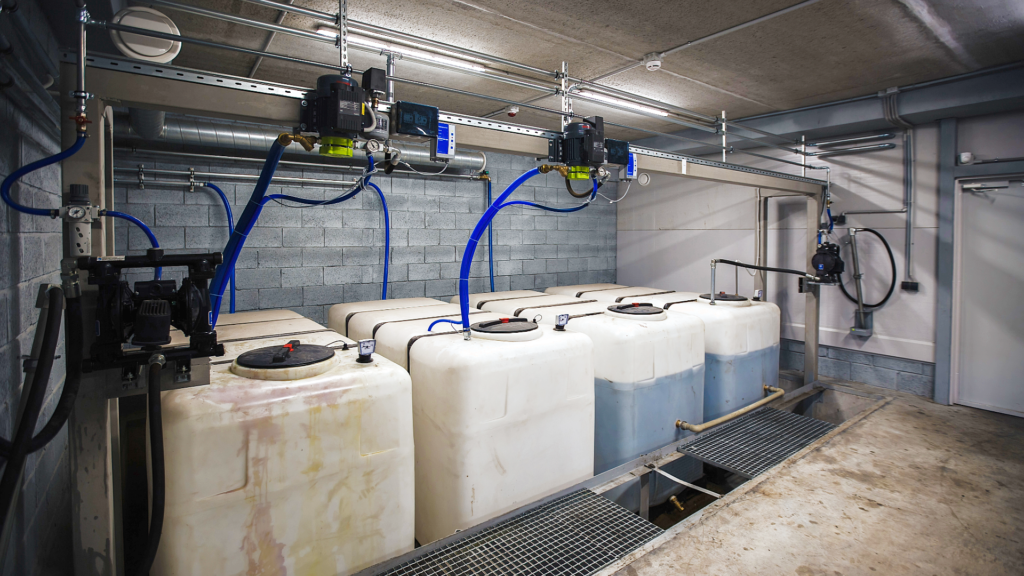
The versatility of HDPE makes it suitable for a wide array of applications across the industrial sector. From initial raw material handling to chemical reactants and final waste containment, these tanks offer dependable solutions that boost both the safety and efficacy of a company’s operations. This adaptability allows facilities to standardize their storage systems while still meeting the specific demands of each job.
Corrosive Wastewater Storage
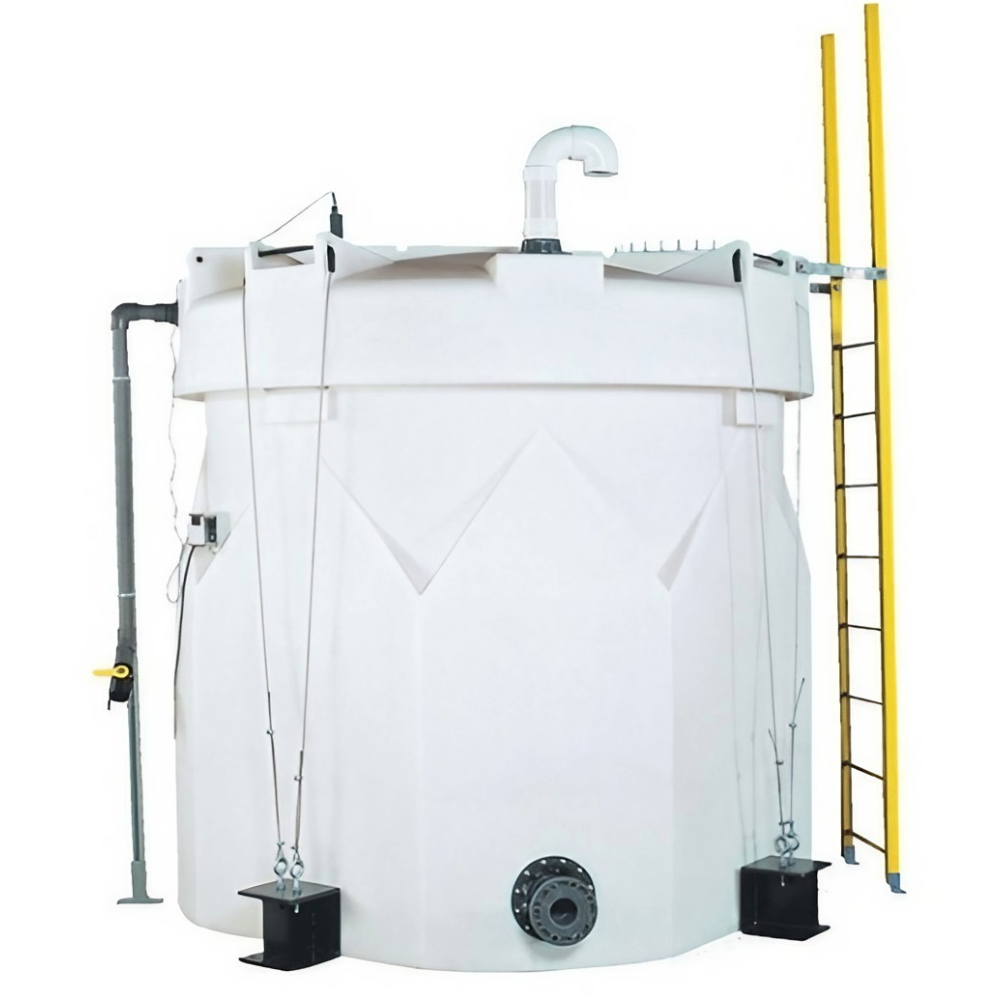
A primary use for polyethylene tanks is to safely contain the threat presented by corrosive wastewater. Many industrial processes generate byproducts and effluents packed with acids, caustics, and other harsh chemicals that can easily compromise low quality or less-than-compatible storage containers. HDPE’s inherent resistance against many types of chemical attack makes it an ideal material for storing these wastes before treatment or disposal. This makes HDPE tanks an excellent barrier for hazardous waste materials by keeping toxic byproducts securely locked away from the environment and personnel until it can be properly handled.
Raw Material Storage
Before production even begins, raw materials need safe storage. Poly tanks are ideal for housing bulk supplies of acids, alkalis, and solvents used in production due to their non-reactive properties. This keeps chemicals pure and stable, which is essential for consistent and high quality manufacturing results.
Blending and Mixing
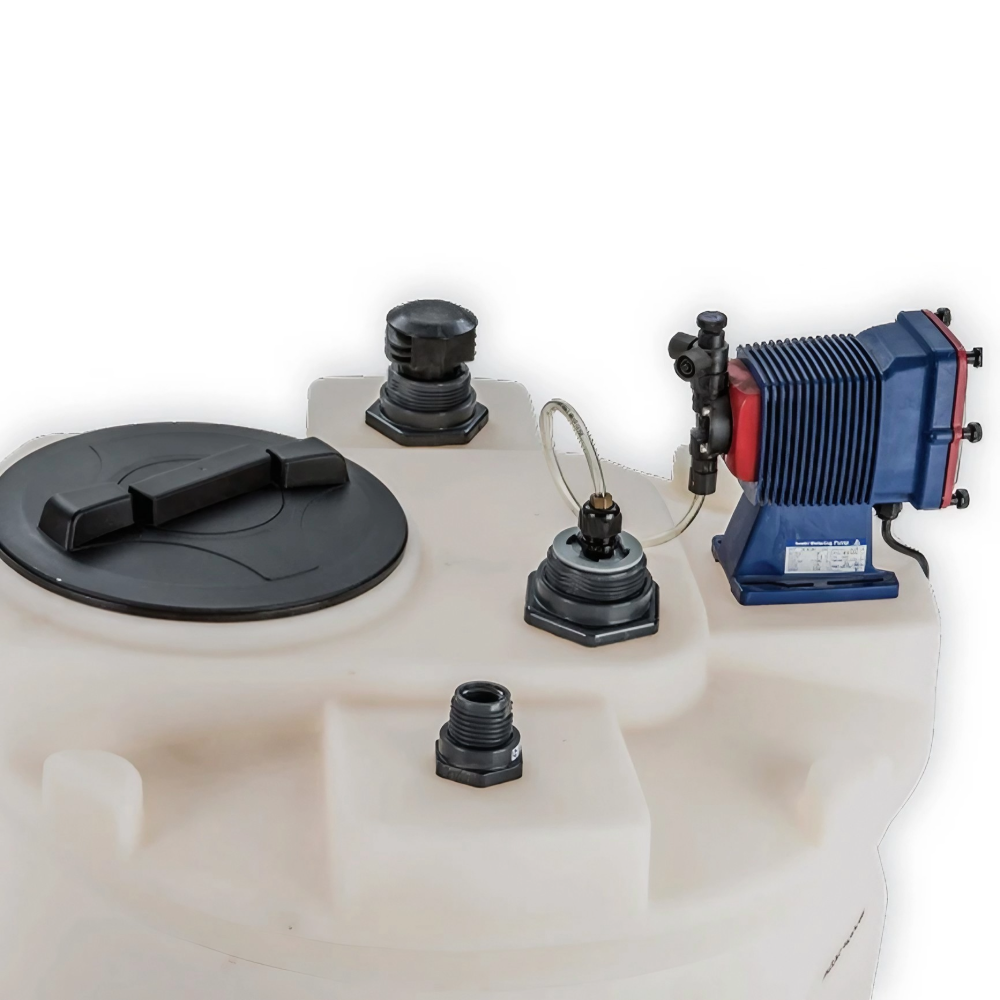
Many industrial workflows require different chemicals or ingredients to be blended together, and often at precision amounts and specific parameters. HDPE mixing tanks are ideal for these applications. National Tank Outlet can build custom polyethylene tanks for mixing, equipping them with agitators, baffles, additional bulkheads for pipeline connections, heating equipment, and more. Our expertise in custom poly tank fabrication will ensure your HDPE mixing tank is perfectly suited for your blending and mixing processes.
Secondary and Emergency Spill Containment
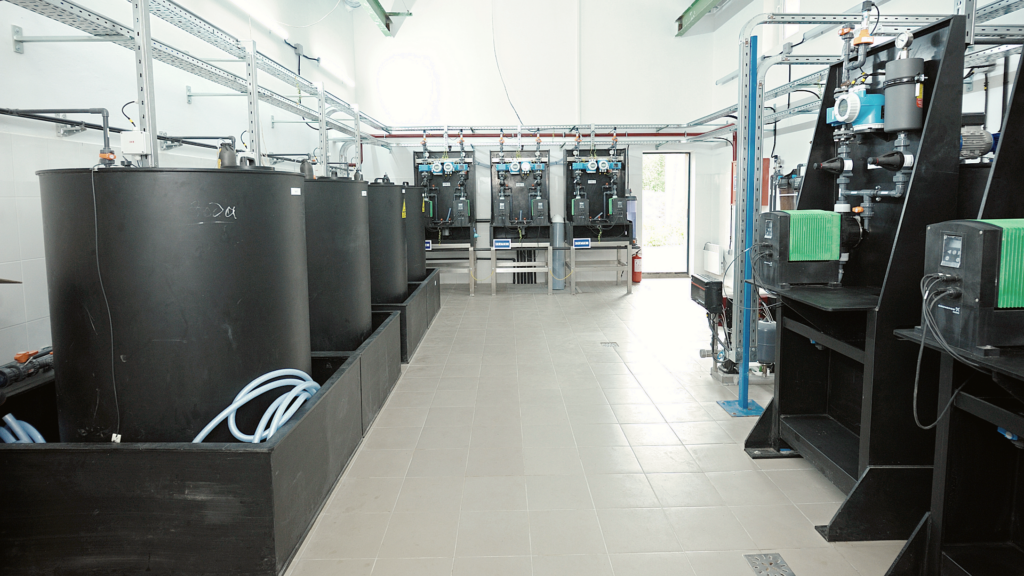
Regulatory compliance often requires secondary containment for hazardous chemicals. Double wall HDPE tanks, containment basins, or larger open top tanks used as basins provide a dependable solution to keep leaks and spills from reaching the worksite or environment. Their lightweight nature also makes smaller HDPE tanks an excellent choice for mobile emergency spill containment kits for rapid response to incidents anywhere in a facility.
Transportable Storage
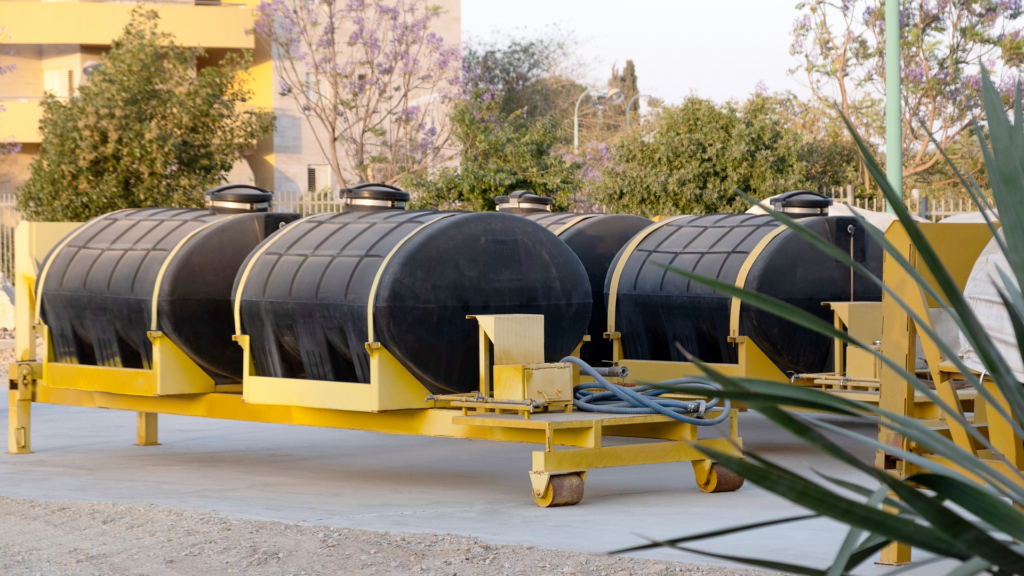
HDPE tanks combine lightweight with rugged durability, making them a top choice for jobs that require mobility. Solutions like leg tanks and IBC totes are engineered for transport and can be easily mounted onto trailers or skids to move chemicals across large plants or to support remote field operations. Whether for temporary job sites or dynamic industrial workflows, these portable HDPE options provide the flexibility you need without compromising on safety.
Specialized Applications
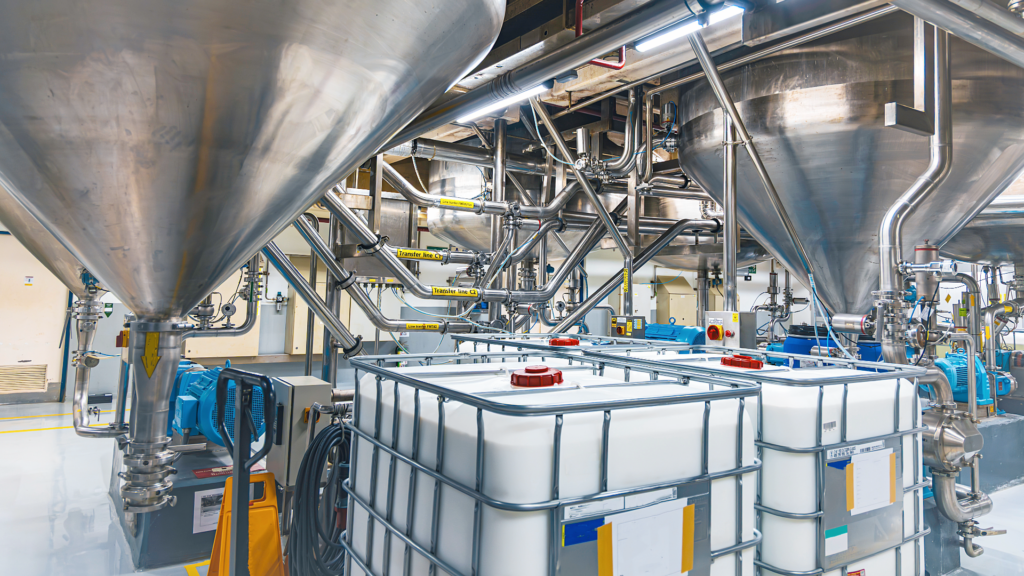
The utility of an HDPE tank goes beyond chemical processing. In the food and beverage industry, FDA compliant poly tanks safely store food grade ingredients and additives. And the pharmaceutical industry relies on them to hold purified water and sensitive ingredients while ensuring contamination free storage. This versatility and the broad applicability of HDPE make it a reliable and trusted choice across industries.
Considerations When Choosing HDPE Tanks
Choosing the right HDPE tank is a critical decision for meeting your operational needs. While HDPE has many advantages, selecting the best tank should involve a careful evaluation of factors like performance, safety, durability, and the resulting long term value it will provide. A tank that is well chosen will fit seamlessly into your facility and deliver dependable service for years.
Chemical Compatibility
The first and most important priority is to ensure the tank’s material is compatible with the chemicals it will hold. While HDPE works well with many substances, it can be compromised by strong oxidizers like concentrated nitric acid or sodium hypochlorite. In these environments, standard resins may undergo rapid oxidation, leading to brittleness and cracking. In such cases, tanks may need specialized resins or liners (antioxidant barrier liners like the OR-1000 system) or other materials may need to be used.
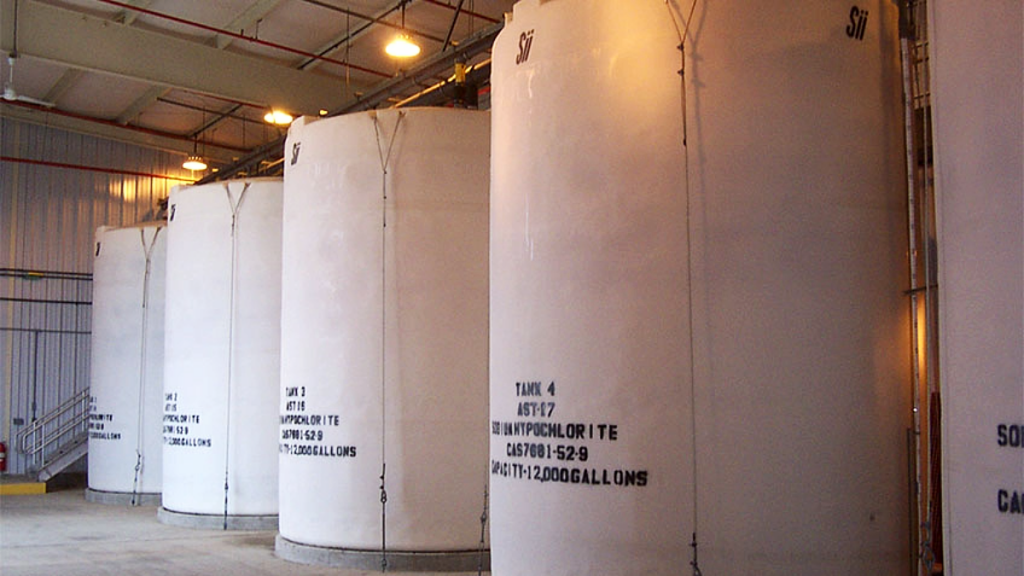
Always check a chemical resistance chart or consult an expert to verify compatibility and avoid degradation, contamination, or tank failure. Also, always verify that the tank’s specific gravity rating as well as its outlets and gasket materials are fully compatible.
Capacity and Scalability
Properly sizing your tank is an important logistical detail and a strategic decision. You should not only plan for your current storage volume needs but also anticipated future demands. Selecting a tank with room for growth is a smart investment that can save you from costly and disruptive replacements later. Think ahead: consider how multiple tanks can be used as a scalable system as your operations expand.
Regulatory Compliance
Industrial chemical storage, and often wastewater storage, is heavily regulated. And non-compliance can mean large fines and workflow disruptions. Choose tanks that meet all relevant industry standards, such as NSF/ANSI, ASTM, EPA, and RCRA guidelines for hazardous materials or hazardous waste containment. Work with a supplier who knows the regulations to keep your system compliant and your operations running.
Customization Options
Standard, off-the-shelf tanks may not always meet the unique demands of specialized industrial systems. Many facilities require custom fittings, manways, ports for sensors, or specific outlet placements. Discussing your exact workflow with your supplier can help you get a tank with the configurations you need to achieve optimization and safe handling.

Need custom fittings, sensor ports, specific outlet placements, or something else? The National Tank Outlet provides custom tank fabrication.
Temperature Tolerance
High Density Polyethylene tanks have thermal limitations. While HDPE is highly durable in ambient conditions, it is a thermoplastic that begins to lose sidewall strength as temperatures rise. Temperatures too high can cause the material to soften and deform, leading to structural failure. According to ASTM D1998 standards, most poly tanks are engineered based on a 73°F benchmark. Once internal liquid temperatures exceed 100°F to 120°F, HDPE’s pressure resistance de-rates significantly. If your application involves heated liquids, confirm the tank’s maximum continuous service temperature is compatible. For safety in chemical storage with HDPE tanks, keep continuous operating temperatures under 100°F.
For applications consistently above 140°F, consider Polypropylene (PP) tanks, which can handle temperatures up to 200°F to 212°F, or Cross Linked Polyethylene (XLPE), which offers slightly better heat resistance up to 150°F and better stress crack resistance.
Longevity and Warranty
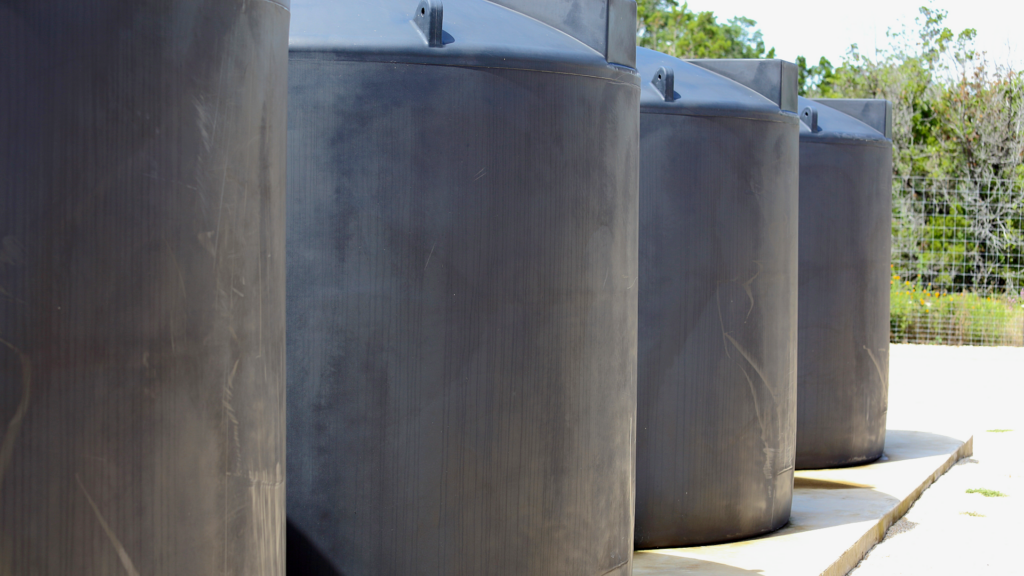
An industrial tank is a major investment, so you need to know it will last. High quality HDPE tanks have a typical service life of 20 to 30 years with proper use and care. Professional grade HDPE tanks, specifically those with UV stabilized resin, can withstand a decade more of environmental exposure without cracking. For the best UV protection, choose black HDPE tanks as their color absorbs and scatters ultraviolet rays better than any other. When comparing options, look for tanks backed by at least a 3 to 5 year industrial warranty and verified to ASTM D1998-21 standards—as this is often a good indicator of true durability, quality, and long term service potential.
Installation Requirements
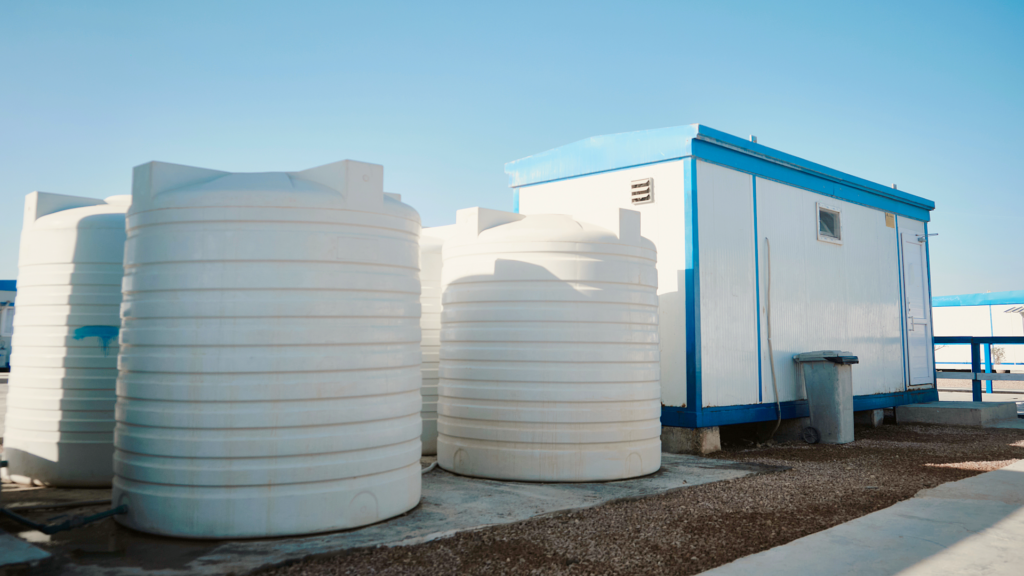
Proper installation is foundational to tank safety and service longevity. For heavy industrial use, a reinforced concrete pad is preferred over gravel to prevent uneven settling and meet ASCE 7-22 seismic and wind load standards. For larger tanks, especially in areas with high winds or seismic activity, appropriate anchoring may be required to secure the tank and prevent movement.
As an extra protection layer, use a barrier like roofing felt between the tank and concrete to reduce abrasion. Flexible expansion joints on sidewall connections are recommended to allow HDPE to expand/contract naturally as temperatures change and avoid putting stress on the piping system.
How National Tank Outlet Supports Industrial Needs
At the National Tank Outlet, we know that storing industrial chemicals requires more than just a tank, but a complete solution built and designed for the safety, efficiency, and durability your job demands. We’re not just a supplier—we’re your strategic partner with the expertise and products necessary to navigate the complexities of chemical storage.
Comprehensive Product Range
Our inventory features an extensive selection of over 5,000 poly tanks to meet the demands of industrial applications. From vertical and horizontal storage tanks to ASTM D1998 compliant double wall tanks and cone bottom tanks for complete drainage, our inventory is built to match our clients’ needs. Whether you need a small day tank for chemical dosing or a large scale bulk storage system for corrosive wastewater, we provide high performance solutions capable of integrating seamlessly into your current infrastructure to ensure zero-fail performance.
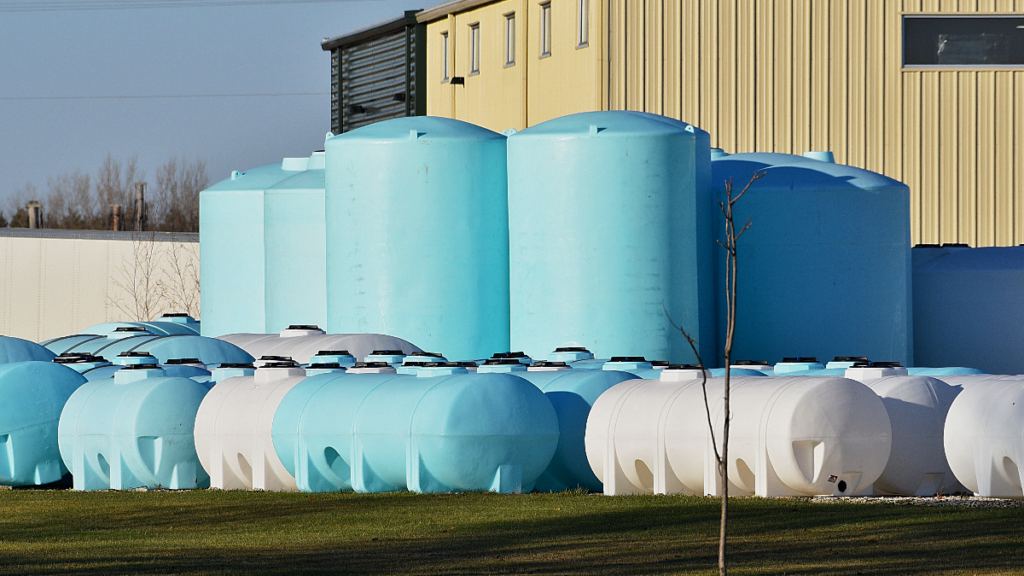
In addition to HDPE tanks, we offer high performance alternatives like Cross Linked Polyethylene (XLPE) for aggressive chemicals and Polypropylene (PP) for high heat applications. And most tanks in our inventory are backed by a 3 year manufacturer warranty for an extra layer of investment protection.
Expert Consultation
Selecting the correct tank involves navigating a maze of chemical compatibility charts, volume calculations, and regulatory codes. Our team of tank experts brings years of industry experience to every project. We can work directly with facility managers and engineers to analyze specific chemical properties, assess temperature requirements, and determine the ideal tank setup or custom solution. Our goal? To help you avoid costly mistakes and invest in a system perfectly matched to your exact needs—and that is safe, reliable, and built to last.
Commitment to Quality
Safety and reliability are our top priorities. This is why every tank we supply is manufactured to meet or exceed strict industry standards, including ASTM specifications and NSF/ANSI 61 certifications and made using FDA approved materials. We only provide products that adhere to these quality benchmarks out of our desire to guarantee results with superior structural integrity and chemical resistance, so your facility stays compliant with EPA regulations and local environmental codes.
Customization for Industry Specific Needs
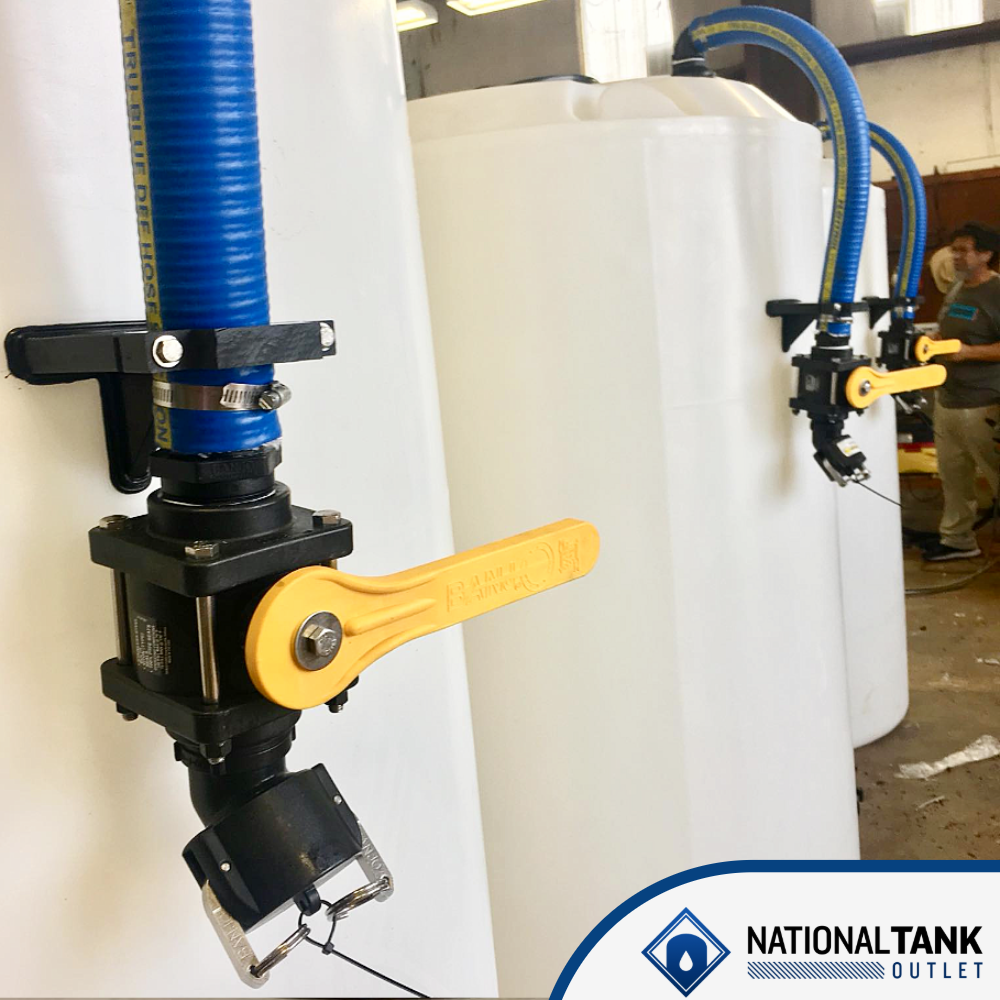
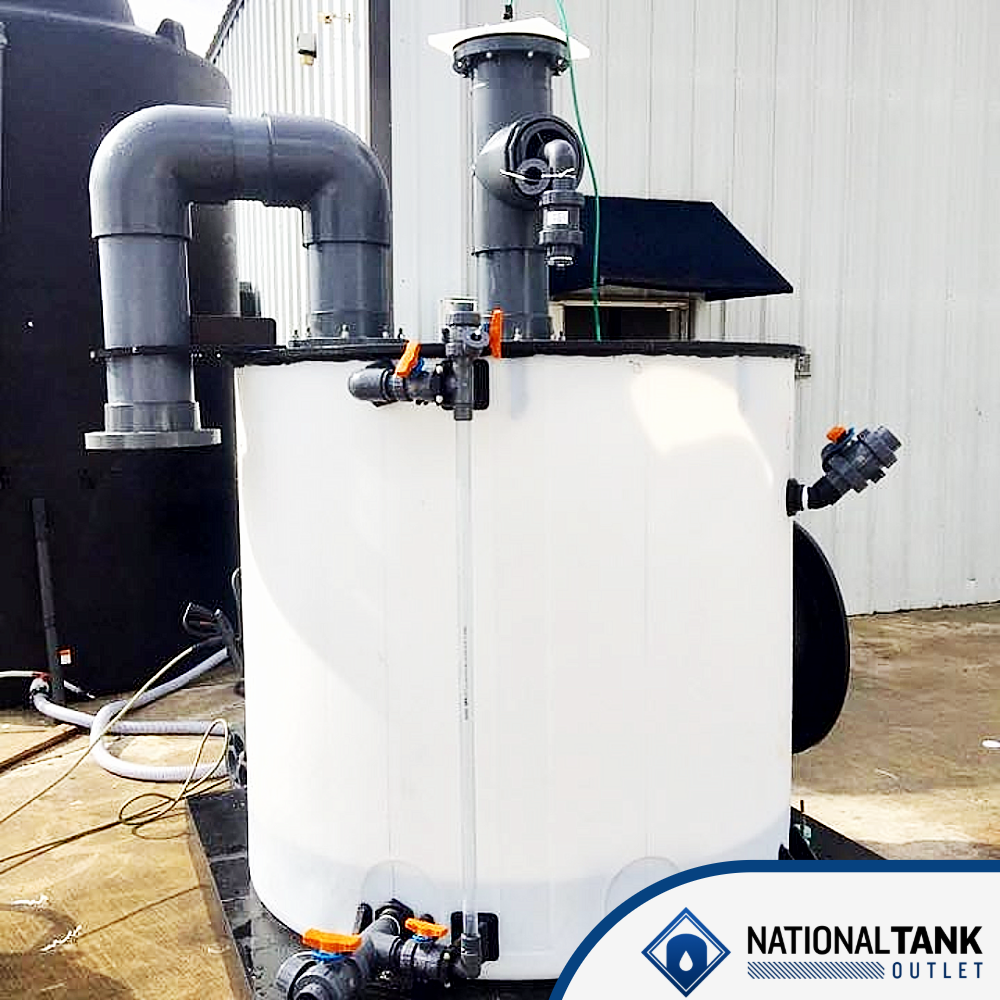
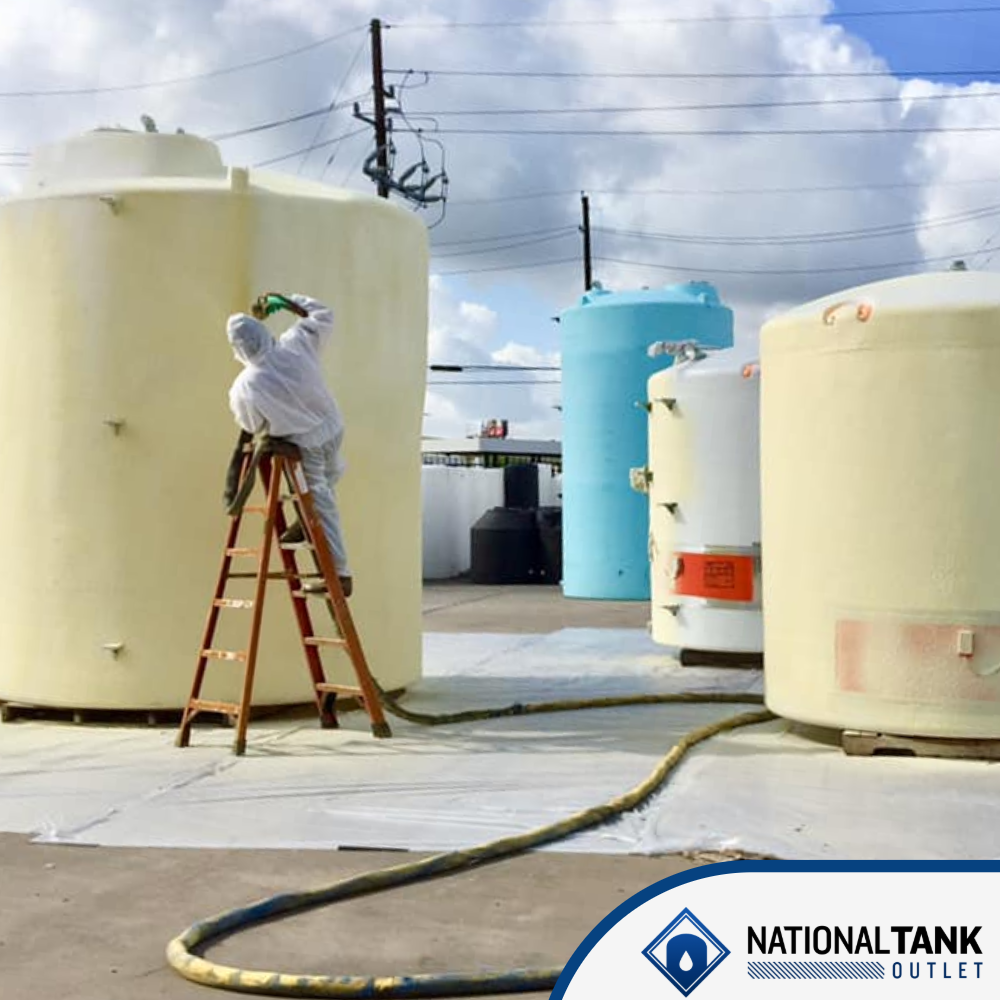
Standard tanks often don’t fit specialized workflows and need modification—that’s where we come in. The National Tank Outlet doesn’t just sell tanks. We also offer professional fabrication and customization services to get your tank to your exact needs. We can add custom fittings, valves, sight gauges for monitoring levels, ladders, ports for tank sensors, sight gauges, fume scrubbers, PVC/CPVC piping systems, or specialized gaskets for handling harsh chemicals. Need tanks for outdoor use? We offer UV stabilized tanks as well as heat traced and insulation options built to withstand sunlight and last in any environment.
After-Sales Support
Our commitment extends well beyond the point of sale. We view our relationship with clients as an ongoing partnership. Our support team is available to assist with questions regarding installation best practices, maintenance schedules, and troubleshooting. We strive to provide the tools and guidance necessary to maximize the service life of your investment to keep your storage systems running safely and efficiently for years to come.
Proven Success and Client Satisfaction
With over 30 years of experience and 20+ shipping locations across the United States, the National Tank Outlet doesn’t just sell tanks—we power industrial progress. From upgrading municipal water systems to scaling chemical plants, our storage solutions have set the backbone of many modern industries’ infrastructure.

Professionals in agriculture, pharma, and heavy industry trust NTO because we deliver more than reliability—we deliver peace of mind and a proven history of helping businesses secure their assets and workflows.
Takeaway
In the high stakes world of industrial chemicals, your storage infrastructure is your first line of defense. High Density Polyethylene (HDPE) tanks have become an industry standard for a reason: they deliver an unbeatable combination of chemical resistance, structural toughness, and long term value. Whether managing corrosive wastewater or storing essential raw materials, these tanks offer the reliable containment you need to maintain safety and stay compliant.
Investing in professional grade HDPE storage containers is both a logistical decision and a commitment to operational excellence and environmental protection. By choosing tanks built to withstand the harshest conditions, you minimize maintenance headaches, prevent expensive leaks, and keep your team safe. At the National Tank Outlet, yes we sell tanks, and at the same time, provide the reliable engineering that keeps modern industry moving forward.
Take the Next Step in Chemical Storage Safety
Ready to upgrade your facility with reliable, compliant storage solutions? Explore our comprehensive HDPE Tank Catalog to find the perfect fit for your specific chemical processing and wastewater handling needs. Our shipping network lowers shipping costs and shortens lead time.
For personal assistance, our team of experts is available to help you select the right tank or customization options to match your business’s unique work profile.
For more insights on polyethylene tanks, industrial storage systems, and more, visit the NTO Blog or contact us directly.
